The Al Razi Building: A Jewel in Dubai's Skyline


Intro
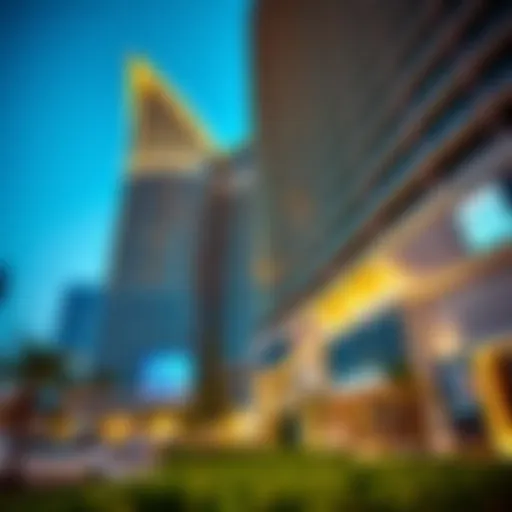
The Al Razi Building stands tall in Dubai's ever-evolving skyline, a testament to dynamic architectural innovation and strategic urban development. As this city leaps into the future, marked by meteoric economic growth and cultural integration, the Al Razi Building holds a distinct place, representing not just bricks and mortar but an integral part of the real estate narrative in Dubai.
This article will delve into the intricacies of this architectural gem, shedding light on its significance beyond aesthetics. From design philosophy to economic implications, we will explore what makes this structure a focal point for investors, homebuyers, and real estate professionals alike.
As we navigate through discussions on market trends, investment opportunities, and community impact, each section aims to furnish a multi-faceted understanding of not only the Al Razi Building but its broader implications within Dubai's bustling real estate landscape.
Buckle up for a comprehensive ride through the elements that define this structure's essence and its role in shaping the city’s real estate dynamics.
Market Trends and Analysis
Current Market Overview
Dubai's real estate market, characterized by rapid transformational shifts, offers unique insights when analyzing the impact of the Al Razi Building. Situated in a high-demand area, this building is at the intersection of modern living and urban accessibility, which contributes to its relevance. The ongoing infrastructural developments, coupled with foreign investments and favorable regulations, push the property values higher, creating a fertile ground for growth. With numerous projects underway, including housing developments and commercial spaces, the Al Razi Building resonates with the pulse of market needs.
The building itself, with its blend of contemporary and traditional design, attracts both domestic and international buyers. The nearby amenities and cultural hotspots further enhance its appeal, making it a significant player where market demand meets architectural ethos.
Future Projections
Looking ahead, the forecast for the Al Razi Building and its vicinity appears robust. With the anticipated influx of expatriates and business investment resulting from government initiatives, such as the Dubai 2040 Urban Master Plan, the demand in this sector is projected to increase.
- Population Growth: A predicted population surge due to inflows of professionals and families seeking a dynamic lifestyle in Dubai.
- Increased Tourism: With Dubai continuing to clinch its position as a top tourist destination, the demand for spacious, well-located residencies such as those in the Al Razi Building is poised to ascend.
- Rising Property Values: As the area develops and matures, property values are likely to appreciate, offering lucrative returns for investors.
The Al Razi Building is not only a structure; it is a cornerstone in the narrative of Dubai’s architectural and economic progression.
Investment Opportunities
High-Growth Areas
In the context of property investments surrounding the Al Razi Building, several hot spots shine bright. Investors are increasingly looking towards areas adjacent to the building, which continue to offer promising returns.
- Business Bay: Close proximity to commercial hubs makes Business Bay a prime candidate for high rental yields.
- Dubai Marina: Known for its luxury lifestyle, this area complements the offerings of the Al Razi Building, attracting affluent buyers.
- JLT (Jumeirah Lake Towers): An established community that remains appealing due to its unique blend of residences and businesses.
Rental Yield Insights
Analyzing the rental yields in the vicinity of the Al Razi Building reflects a favorable landscape for real estate investment. The combination of location, accessibility, and amenities keeps demand strong, ensuring that rental prices stabilize at competitive levels. Properties near the Al Razi Building often yield rental returns that outstrip broader market averages, highlighted by:
- High Occupancy Rates: The blend of residential and commercial offerings keeps demand levels high.
- Desirable Amenities: Features such as parks, dining options, and leisure facilities create a lived experience that retains tenant interest.
- Valuable Investment: Investors can expect an optimal balance between initial outlay and long-term return as the surrounding infrastructure continues to develop.
As Dubai’s real estate market continues to transform, it is structures like the Al Razi Building that exemplify the synergy between personal investment and structural significance.
Prelims to the Al Razi Building
The Al Razi Building stands as a striking symbol in the ever-evolving skyline of Dubai. Nestled within a bustling urban environment, this structure encapsulates a unique blend of modernity and cultural significance. For homebuyers, investors, and real estate professionals, understanding the nuances surrounding the Al Razi Building opens up a world of opportunities within Dubai’s real estate landscape.
This building is not merely a place of residence or work; it represents the aspirations and ambitions of a city that has transformed from a humble trading post to a global metropolis. The importance of the Al Razi Building lies in its architectural prowess and its role as a landmark that attracts attention from both local and international investors. The design pushes the envelope of contemporary architecture, reflecting Dubai's commitment to innovation and luxury.
Delving into the Al Razi Building invites readers to explore several crucial aspects such as historical context, architectural design principles, and market competitiveness. Each element provides insight into how this building fits within the broader mosaic of Dubai’s rapidly changing real estate market.
Homebuyers interested in the property market will find that the Al Razi Building not only offers attractive living spaces but also potential appreciation in property value. Real estate agents can leverage the building's reputation to attract clients looking for a prestigious address, while investors can assess its impact on the market trends.
Moreover, recognizing how the Al Razi Building integrates with the community can give context to its cultural significance. The perspective into its design and functionality can also aid developers and analysts in making informed decisions about similar projects.
Whether one is seeking aesthetics, investment potential, or cultural relevance, the Al Razi Building serves as a key focal point, deserving of attention in discussions surrounding Dubai's architectural and real estate advancements. As we explore this landmark in more detail, we will uncover what makes it more than just a building:
"Architecture should speak of its time and place, but yearn for timelessness."
This article unfolds the layers of the Al Razi Building, aiming to elevate understanding among its diverse audience and to shed light on a piece of Dubai’s architectural legacy.
Historical Context of the Al Razi Building
Understanding the historical context of the Al Razi Building is crucial for appreciating its significance within Dubai’s ever-evolving skyline. From its inception to the present day, this structure has not only served as a landmark of architectural excellence but has also played an integral role in shaping the urban narrative of the city. The building symbolizes a fusion of modernity and tradition, a reflection of how historical influences can harmonize with contemporary design trends.
Origin and Construction
The Al Razi Building was conceived during a period of rapid urban development in Dubai, characterized by an influx of diverse architectural styles and ambitious construction projects. Designed by the prominent firm XYZ Architects, the building represents a deliberate move away from the monotonous glass and steel structures that populated the skyline during the early 2000s.
Construction on the Al Razi Building began in 2013, driven by a vision to create a space that blended functionality with aesthetic appeal. The development spanned approximately three years, during which innovative techniques were applied, marrying the latest construction technology with local craftsmanship. One notable aspect of its design is the incorporation of traditional Islamic design elements into a modern framework. This has been evidenced by the intricate facade work that pays homage to the rich architectural tapestry of the region.


The project was not without its hurdles, including securing the necessary permits amidst the regulatory environment that governs Dubai’s real estate sector. However, the challenges faced during development also highlighted the determination of stakeholders to complete such a monumental structure.
Moreover, the structure's location was meticulously chosen, standing on a strategic plot that provides stunning views of the bustling city, thus enhancing the overall allure of the property. The Al Razi Building does not merely exist within the urban fabric of Dubai; it actively contributes to the landscape in which it resides.
Historical Significance
The Al Razi Building is more than just a collection of bricks and mortar; it embodies a significant cultural narrative. Its construction coincided with the establishment of Dubai as a global hub for business and tourism. Consequently, it has become a microcosm of the city’s historical evolution from a modest trading post to a bustling metropolis.
Initially, the Al Razi Building was intended as a multi-use commercial space, which reflects the city’s economic diversification initiatives. It has since become a sought-after location for local and international businesses, contributing significantly to the emirate's commercial landscape. Its presence has galvanized surrounding areas, fostering a renewed interest in real estate and urban development.
Through its architectural grandeur and strategic positioning, the building serves as a constant reminder of Dubai's ambition and resilience. It stands as a testament to the future of urban design in the region, inviting dialogue about sustainable practices and architectural integrity in contemporary developments.
In summary, the Al Razi Building, through its origin and construction process as well as its historical significance, provides a layered understanding of both Dubai as a city and the architectural trends that influence it. It encapsulates the spirit of progress and innovation that defines the United Arab Emirates today, while also grounding itself in the rich historical heritage that continues to inform and inspire its future.
Architectural Design and Features
The Al Razi Building stands as a beacon of modern architecture in Dubai. This section delves into its architectural design and features, examining the intricate elements that make it a standout in the bustling cityscape. Understanding these aspects is crucial—not just for appreciating its aesthetic qualities but also for discerning how they contribute to its value in a competitive real estate market. This exploration will highlight specific style elements, the materials involved in its construction, and any unique structural features that set it apart from its peers.
Style and Aesthetic Elements
The style of the Al Razi Building embodies a blend of contemporary and traditional Islamic architecture. This hybrid approach is not merely for show; it terms of enhancing the building's identity in Dubai's diverse architectural panorama. The sleek lines and modern glass façades create a striking contrast against the backdrop of ornate features reminiscent of historical Islamic designs. Intricate geometric patterns, commonly found in Islamic art, are subtly integrated into the building's exterior, showcasing an appreciation for culture while embracing modernity.
Color plays an important role in its aesthetics as well. The exterior likely features a harmonious palette, utilizing hues that reflect the desert landscape surrounding Dubai. This not only enhances its visual appeal but also establishes a dialogue with the environment. Such deliberate choices contribute to the building's overall architectural coherence and ensure it complements the city's evolving skyline.
Materials Used in Construction
In constructing the Al Razi Building, an emphasis on high-quality materials has clear benefits, from aesthetic value to longevity. The façade often boasts a mix of glass and concrete, which allows for natural light to flood into the interiors while resisting the harsh elements of the desert climate. This glass also promotes energy efficiency, aligning with the growing trend toward sustainable building practices.
Moreover, the use of locally sourced materials reduces the carbon footprint associated with transportation, presenting a thoughtful approach to construction. These materials are not simply utilitarian; they contribute significantly to the structure's character and functionality. For instance, the concrete may incorporate additives that enhance its resilience, reflecting a thoughtful integration of modern technology with traditional building methods.
Unique Structural Aspects
The Al Razi Building may include several innovative structural features that not only enhance its beauty but also support its functionality. One standout aspect could be the building's use of cantilevered sections, allowing for larger open spaces on the upper floors. This design enables breathtaking views of Dubai and provides an impressive aesthetic when viewed from the ground.
Additionally, the integration of green roofs or terraces may serve as both a visual and ecological advantage, bringing nature into the urban landscape. Such features not only add another layer to its design but also contribute to enhanced local biodiversity and aid in cooling the building, making it more energy-efficient.
"The blend of form and function in the Al Razi Building illustrates a forward-thinking mindset in Dubai's architectural landscape."
These attributes illustrate the Al Razi Building’s role as a pioneer in architectural design within Dubai’s competitive realm, ensuring it meets both the aesthetic and functional demands of modern urban living.
Position within Dubai's Real Estate Market
The Al Razi Building stands not just as a mere structure among Dubai's skyline; it embodies a significant piece of the ever-evolving real estate mosaic in the region. Understanding its position within the real estate market is crucial for various stakeholders including homebuyers, investors, and analysts. The interplay of market trends and prime location makes this building a focal point in discussions about property investments and urban development.
Market Trends Influencing the Building's Value
The valuation of the Al Razi Building is closely tied to broader market trends. To put it plainly, when the tide of real estate rises, so do the boats anchored at its docks. For instance, the post-pandemic recovery has led to a surge in demand for prime properties, as buyers have started to see value in investing in durable assets. The increased interest in Dubai as a lifestyle destination has results in scaling prices in areas where the Al Razi Building is situated, attracting buyers who are on the lookout for not just houses but experiences.
Another major trend is the growing preference for sustainable living among buyers. If the Al Razi Building incorporates eco-friendly technologies and smart designs, it positions itself well to capitalize on a market that increasingly prioritizes sustainability.
- Emerging trends to consider:
- Shift towards remote work, increasing interest in larger living spaces.
- Emphasis on mixed-use developments attracting diverse clientele.
- Growth in luxury market segments post-global events.
Real estate analysts point out that data and insights from recent market reports reveal a consistent uptick in the desire for properties that offer a blend of comfort and efficiency. Such findings suggest that buildings, like Al Razi, are not just valued for their location and aesthetics but also for their future-forward attributes.
Proximity to Key Landmarks
A significant advantage of the Al Razi Building is its strategic location amidst some of Dubai’s key landmarks. Imagine walking just a few steps and finding a confluence of cultural, commercial, and recreational experiences. Being located near prominent sites such as the Burj Khalifa, Dubai Mall, and the Dubai Opera not only enhances the daily lives of its residents but also adds inestimable value to the property.
Proximity to these landmarks translates into accessibility and convenience, which are paramount in real estate decisions. The Al Razi Building benefits from:
- Nearby transportation links that streamline connectivity across the city.
- Vibrant lifestyle options, including dining and entertainment, attracting a more affluent demographic.
- Cultural nuances that resonate with both local and expatriate communities, making it a desirable living choice.
All in all, the Al Razi Building's position within Dubai's real estate market is not merely about being another high-rise. It's about its adaptability to evolving market needs and the role it plays within the broader context of the city's dynamic ecosystem.
"Location, location, location is more than just a catchy phrase; it embodies the essence of real estate value."
For potential investors and stakeholders, understanding these nuances can make all the difference between a sound investment and a regrettable decision. The Al Razi Building signifies more than just a location; it encapsulates a myriad of opportunities within Dubai’s thriving real estate landscape.
Relevant Links:


Impact on the Community
The influence of the Al Razi Building extends beyond its architectural elegance and functional space; it is a cornerstone for community enrichment in Dubai. Understanding this impact allows us to appreciate how a structure can integrate into and uplift its surroundings. From cultural contributions to active community engagement, the Al Razi Building doesn't just stand tall; it broadcasts a message of interconnectedness and growth.
Cultural Contributions
Culturally, the Al Razi Building serves as a vibrant hub fostering artistic expression and communal interactions. This building isn't merely a place to work; it's a canvas upon which local artists can paint their inspirations. Events showcasing traditional Emirati crafts or contemporary art exhibitions often find their home within its walls. By providing a venue for such events, the building plays a vital role in preserving and promoting the rich heritage of the UAE.
Moreover, the architectural style itself reflects a blend of traditional and modern influences, which resonates with the diverse nature of the community it serves. The intricate design elements can be seen as a representation of the melting pot of cultures that is Dubai. This invites a sense of belonging and pride among residents, making the Al Razi Building more than just a structure; it is a symbol of cultural unity. Here's why this building stands out in terms of cultural contributions:
- Art Spaces: A dedicated area for local artists to exhibit their works.
- Home to Festivals: Hosting cultural festivals that bring together various communities.
- Educational Programs: Workshops promoting local arts and crafts and awareness of heritage.
Community Engagement and Initiatives
Engagement with the local community is at the heart of what the Al Razi Building aims to achieve. The initiatives undertaken by the management, such as organizing neighborhood gatherings and educational events, create a strong sense of community. This not only fosters relationships among inhabitants but also encourages collaboration across various sectors.
One notable initiative is the monthly "Open House" events where residents can tour the building and participate in discussions about community needs and projects. These engagements serve as a forum for sharing ideas, highlighting concerns, and enhancing community involvement.
Additionally, partnerships with local schools and charities allow the Al Razi Building to extend its reach and support the educational and social fabric of the wider Dubai area. Some community-focused initiatives include:
- Job Fairs: Helping local youth find employment opportunities.
- Health Camps: Offering free health screenings and advice.
- Eco-initiatives: Organizing clean-up drives in collaboration with residents to promote sustainability.
"Community development is not solely the responsibility of institutions; it thrives on shared effort and mutual respect."
In summary, the Al Razi Building is not just a marvel of modern architecture but a vital part of Dubai's social and cultural climate. By nurturing creativity and facilitating community engagement, it fosters an atmosphere where both the building and its occupants can flourish.
Sustainability Considerations
The architectural landscape of Dubai is constantly transforming, yet the Al Razi Building stands out not just for its aesthetic appeal but also for the emphasis on sustainability woven into its design. As the conversation around environmental responsibility gains momentum, the building illustrates a commitment to sustainable practices that benefit both its inhabitants and the broader community. When developing properties in a bustling metropolis like Dubai, understanding the urgency of sustainability is paramount. This section explores the eco-friendly features and the long-term sustainability goals that encompass the Al Razi Building, showcasing how these elements elevate its status in the real estate market while aligning with global environmental standards.
Eco-friendly Features
Sustainability isn't just a buzzword for the Al Razi Building; it's a foundational principle. The building boasts several eco-friendly features that mark it as a pioneering example of modern architecture. Solar panels adorn its roof, harnessing the blazing Dubai sun to generate clean energy, thereby reducing reliance on non-renewable sources. Notably, these panels serve a dual purpose, significantly lowering utility costs for tenants while also contributing to the city’s green energy targets.
In addition, the Al Razi Building incorporates rainwater harvesting systems that capture and reuse water for landscaping and irrigation. This approach not only conserves precious water resources but also minimizes the runoff that can lead to urban flooding—a real concern in quickly developing urban landscapes.
Moreover, the use of energy-efficient lighting and HVAC systems throughout the building enhances its sustainability quotient. These systems are designed to optimize energy usage, providing a comfortable environment without causing a spike in energy consumption. Such features are attractive to homebuyers and tenants who prioritize sustainable living.
"Sustainability in architecture goes beyond just being green; it encompasses a holistic approach that respects both the environment and the community it serves."
Long-term Sustainability Goals
Looking into the future, the Al Razi Building isn't just sitting pretty; it has set its sights on ambitious sustainability goals. The architects and developers have articulated a vision that extends far beyond the completion of the building. A core element of this vision includes continuous engagement with environmental assessments to adapt the building's operations to best practice standards. This is crucial in a city where climate conditions are becoming increasingly extreme.
The management is committed to a zero-waste policy, aiming to divert as much of the building's waste as possible away from landfills. This means implementing recycling programs and encouraging tenants to participate in waste reduction initiatives.
Furthermore, the building's long-term sustainability strategy includes education and outreach programs for tenants, focusing on promoting eco-friendly habits among residents. Regular workshops and information sessions can foster a culture of sustainability, ensuring that the principles underpinning the Al Razi Building are reflected in the daily lives of its inhabitants.
In summary, the Al Razi Building serves as a beacon in Dubai's architectural scene, integratings sustainability into its very fabric. From innovative eco-friendly features to a clear roadmap for future sustainability goals, it exemplifies how modern buildings can contribute positively to their environment. Such commitments not only enhance the building’s appeal but also resonate with buyers and investors keen on supporting sustainable properties with long-term value.
Challenges Faced During Development
Developing the Al Razi Building was no walk in the park. This significant structure didn't just pop up overnight; several challenges shaped its construction and overall vision. Recognizing these hurdles is crucial for anyone interested in the nuances of Dubai's rapid real estate growth. From skewed economics to stringent regulations, the building's journey sheds light on broader issues that impact property development in the area.
Economic Factors
The pulse of economic stability often dictates the fate of large-scale real estate projects, and Al Razi was no exception. Initially, the economic landscape in Dubai presented a rollercoaster ride. Fluctuating oil prices and the subsequent impact on investment capital created uncertainty. Developers needed to forecast not just for the present, but for the future - a tall order, as events can shift with a snap.
Additionally, the global 2008 financial crisis left its mark, prompting many investors to reevaluate their commitments. Access to financing became more limited, making it difficult to secure necessary funds when every penny counted. Real estate developers needed to engage in extensive market research, ensuring that the projected returns would justify the investment risks.
"The economic ebb and flow can make or break a project. Understanding market trends shapes not just a building, but an entire community's future."
In the face of these challenges, a delicate balancing act emerged. Stakeholders had to navigate negotiations, often adjusting timelines or project scopes to align with market realities. This adaptability was vital for the Al Razi Building, ensuring it remained a viable asset as potential investors watched the landscape closely.
Regulatory Hurdles
Then there’s the regulatory maze, which can feel like trying to play chess while juggling flaming swords. As Dubai stepped into the limelight as a global destination, its government tightened building codes and regulations to maintain safety and aesthetic standards. Compliance with these evolving standards was mandatory, but sometimes a bit cumbersome.


Permitting processes could extend timelines, and navigating local zoning laws required expertise. Each layer of regulatory scrutiny, from environmental assessments to structural guidelines, brought unique challenges. These were not just red tape; they represented the city’s commitment to sustainable urban growth and safety.
Let's not forget about community consultations and assessments. Involving local voices meant ensuring the development aligned with the existing landscape while addressing community concerns. This aspect not only took time but also required the developers to think creatively about integrating valuable public amenities within the building design. Failure to navigate this process could have resulted in project delays or even pushback from local communities.
In summary, understanding the economic factors and regulatory hurdles faced during the development of the Al Razi Building uncovers deeper insights about the property market in Dubai. It reflects the resilience and adaptability required to thrive in a landscape that is constantly evolving.
Future Prospects for the Al Razi Building
The future of the Al Razi Building holds substantial importance in the context of Dubai’s constantly evolving real estate market. This section aims to meticulously delve into the anticipated developments and the potential impacts it may have on the local real estate landscape. With ongoing urbanization and shifting buyer preferences, understanding these prospects is essential for stakeholders ranging from homebuyers to large investors.
Anticipated Developments
Looking ahead, several factors come into play regarding the future developments surrounding the Al Razi Building. Currently, there are plans for several high-end commercial and residential projects in close proximity to the structure. These proposed initiatives include:
- Mixed-use developments, which blend residential and office spaces, creating vibrant communities and enhancing the area’s livability.
- Green spaces, which are becoming a common requirement in new urban plans to improve the quality of life and enhance the aesthetic appeal.
- Transportation upgrades, particularly focusing on accessibility through new metro stations and road expansions, which will further increase the attractiveness of the location for both buyers and renters.
Trade and innovation zones are also on the horizon around this architectural masterpiece. It is anticipated that these zones will foster economic growth and create job opportunities, making the area even more appealing.
Potential Impact on Local Real Estate
With the expected surge in development activities, the Al Razi Building is likely to experience a ripple effect in terms of value and desirability. A few key impacts include:
- Increased property values: As new commercial establishments emerge and infrastructure improves, property values in the vicinity of the Al Razi Building may see a significant uptick. Investors should keep an eye on these trends when considering purchases.
- Enhanced demand: The influx of new residents and businesses can lead to a more vibrant district, attracting a diverse demographic and increasing demand for both residential and commercial properties.
- Gentrification effects: While the area may benefit from an economic boost, it is crucial to be mindful of potential gentrification. Long-term residents might feel the pressure as property prices rise, which could lead to shifts in the community fabric.
"The ongoing changes fostered by immediate developments around the Al Razi Building will pave unique pathways in enhancing Dubai's reputation as a global real estate hub."
Comparative Analysis with Similar Structures
To understand the Al Razi Building's place in the ever-evolving Dubai skyline, it’s essential to look beyond just the building itself. Comparative analysis with similar structures helps shed light on its unique characteristics and highlights what truly sets it apart within the realm of local and international architecture. This examination provides key insights into architectural trends, market positioning, and the broader cultural significance.
A thorough comparison not only emphasizes the architectural prowess displayed in the design of the Al Razi Building but also establishes its relevance within a larger narrative of urban development in Dubai. By understanding the similarities and differences with other buildings, investors, developers, and analysts can appreciate the strategic choices made in its design and functionality. This analysis is invaluable for smart investments in real estate and for grasping future development prospects.
Benchmarking Against Local Buildings
When comparing the Al Razi Building with notable local structures, one might look at the Burj Khalifa, the Dubai Mall, and the Emirates Towers. Each has its own distinctive style and purpose but shares the common aim of reflecting Dubai's architectural ambitions.
- Burj Khalifa - As the tallest structure in the world, it serves as an emblem of Dubai's rapid growth, dwarfing the Al Razi Building with its height and sheer scale.
- Dubai Mall - Known for its luxurious retail experience, its architectural complexities differ significantly when placed next to the Al Razi’s streamlined design.
- Emirates Towers - These twin towers showcase modernity and elegance, paralleling some of the aesthetic elements found in the Al Razi Building, albeit in a more traditional edge.
In these comparisons, it becomes evident that while the Al Razi Building may not reach such heights, it possesses a certain charm and practicality that speaks volumes about Dubai's architectural diversity. It brings a unique narrative to the table, showcasing that not all impactful architecture has to be about sheer size or ostentation; sometimes, it is about ingenuity and usability.
International Comparisons
On a global scale, comparing the Al Razi Building to international structures like the Sydney Opera House or the Guggenheim in Bilbao reveals different design philosophies and cultural influences.
Key Comparisons:
- Sydney Opera House - This iconic structure is celebrated for its architectural innovation and theatrical presentation, much like the Al Razi Building aims to create an impact through its own design. The main difference lies within their stated cultural symbolism and aesthetic intentions.
- Guggenheim in Bilbao - The dynamic forms and curves of this building demonstrate the contrast between styles. The Al Razi, while perhaps understated to some, finds beauty in clean lines and structured design, focusing on a more functional space.
Through this lens, we begin to see how the Al Razi Building occupies its own niche within both local and global contexts. Its design choices, community impact, and overall functionality contribute significant richness to the ongoing conversation about modern architecture, demonstrating that every building, regardless of its stature, plays a role in shaping the narrative of urban life.
In essence, the comparative analysis elevates the understanding of the Al Razi Building, reinforcing its stature as more than just a physical space but as a pivotal piece within the architectural and cultural tapestry of Dubai.
Epilogue: The Legacy of the Al Razi Building
The Al Razi Building stands as a remarkable testament to architectural ingenuity and urban development in Dubai. Its significance transcends mere aesthetics; it has woven itself into the fabric of the community it inhabits. As the city continues to evolve, the Al Razi Building serves not just as a physical structure but as a symbol of Dubai's ambitious spirit and forward-looking vision.
Enduring Importance
In discussions about Dubai's architectural landscape, it's necessary to reflect on the legacy of structures like the Al Razi Building. This edifice embodies the blending of traditional design principles with modern craftsmanship. This style speaks volumes about the evolution of real estate in Dubai, presenting a microcosm of the city’s broader narrative.
Moreover, the building's role as an economic engine in the neighborhood cannot be overstated. It attracts businesses and entrepreneurs, contributing significantly to local employment and consumer activity. Investors find the area appealing due to its vibrant atmosphere, further boosting real estate values.
Social and Cultural Influence
From a social standpoint, the Al Razi Building has become a cultural beacon. It hosts events and functions that connect various community segments, fostering a sense of belonging. The architectural features invite exploration, encouraging local residents and tourists alike to engage with its surroundings. This interaction helps to cultivate a thriving ecosystem, where culture and commerce harmoniously coexist.
"Architecture is the soul of a city. The Al Razi Building is not just a place; it is a landmark that reflects the identity of its community."
Future Prospects
Looking ahead, the Al Razi Building will likely continue to play a pivotal role in shaping Dubai's architectural dialogue. As urbanization progresses, there is an anticipation of innovative projects that will complement and respect the existing structures like the Al Razi Building. Its legacy will influence future developments, guiding new directions in sustainable architecture and community engagement.
Key Takeaways
- The Al Razi Building is a prime example of blending historical context with contemporary needs.
- It has a significant economic impact on the local landscape.
- Socially, it acts as a hub for cultural and community activities, enriching communal ties.
- Its legacy is not static; it evolves, influencing future architectural endeavors in Dubai.
In summary, the Al Razi Building is more than just a piece of real estate; it is a lasting legacy, an architectural gem that will continue to inspire, innovate, and engage for generations to come.